
Special vegetable fertilizer plays a key role in meeting the nutritional needs of vegetables, as one of the main factors in improving the performance and quality of agricultural products. By using the appropriate fertilizer and adhering to fertilization principles, better growth, greater resistance to pests and diseases, and increased quality and quantity of the product can be achieved. The features, benefits, and key points regarding vegetable fertilization are described as follows: Features of special vegetable fertilizer Balanced composition of nutrients: Nitrogen (N): For increasing leaf growth and greening. Phosphorus (P): For improving root growth and increasing plant strength. Potassium (K): For improving plant resistance to stresses and increasing product quality. Calcium (Ca): For strengthening plant tissue and preventing nutritional deficiencies. Magnesium (Mg): For aiding photosynthesis and chlorophyll production. Usability in various conditions: Suitable for leafy vegetables (like lettuce and spinach), fruiting vegetables (like tomatoes and cucumbers), and root vegetables (like carrots and radishes). Capability of quick or gradual absorption: Chemical fertilizers: Quick and effective absorption. Organic fertilizers: Gradual nutrition and soil texture improvement. Advantages of using special vegetable fertilizer Increase in performance and product quality: Production of uniform, healthy vegetables with better taste. Improvement of plant health: Increased resistance to diseases, pests, and environmental stresses like drought or soil salinity. Enhancement of plant growth and development: Assistance in stronger rooting and faster plant growth. Improvement of soil structure: Organic fertilizers improve soil structure and increase water and nutrient retention capacity. Key points in vegetable fertilization Understanding soil and plant needs: Conducting soil tests to determine nutritional deficiencies. Identifying specific needs of each type of vegetable (e.g., leafy vegetables require more nitrogen). Managing fertilizer quantity: Excessive use of fertilizer may cause plant burn or increase soil salinity. Insufficient fertilizer use will lead to reduced plant growth and performance. Proper timing of fertilization: Adjust fertilization according to plant growth stages: Initial growth stage: Use fertilizers with more nitrogen. Fruit production stage: Increase potassium for better product quality. Avoid fertilization in dry conditions or during peak heat. Different fertilization methods: Soil application: Mixing fertilizer with soil before planting. Foliar application: Spraying fertilizer solution on leaves for quick absorption. Irrigation system: Using soluble fertilizers in drip irrigation systems. Attention to fertilizer type: Chemical fertilizers for quick results. Organic fertilizers for long-term nutrition and soil health maintenance. Recommendation for vegetable fertilization To achieve the best results, it is better to use a combination of chemical and organic fertilizers and always consult agricultural experts. Remember that proper fertilization management ensures the quality and sustainability of agricultural products.

Your order will be delivered to you with any packaging you have in mind and we have agreed upon.
Minimum : 30 Piece
USD$34.80=>30 Piece
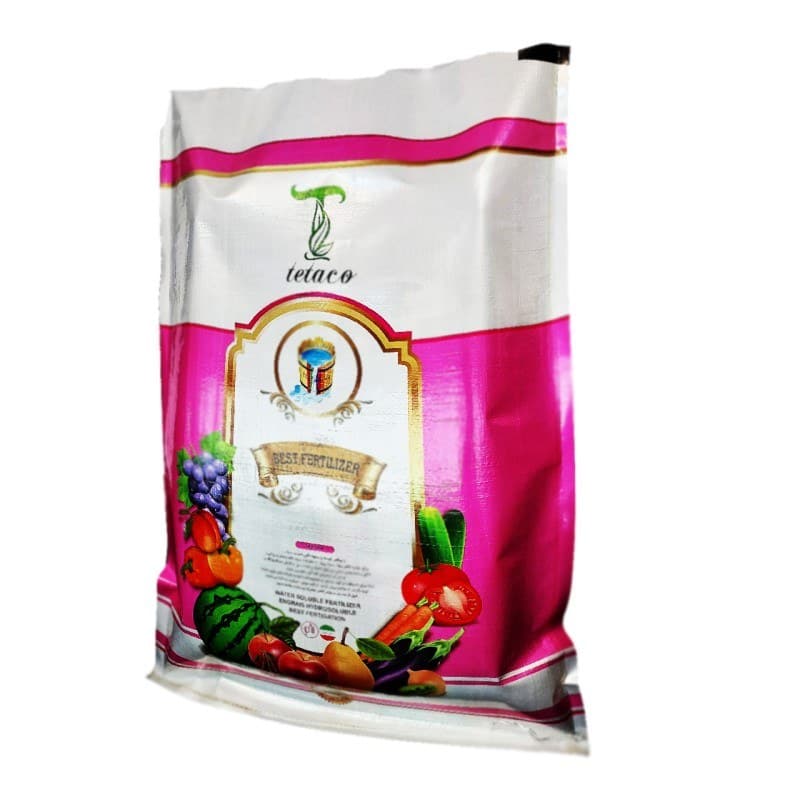
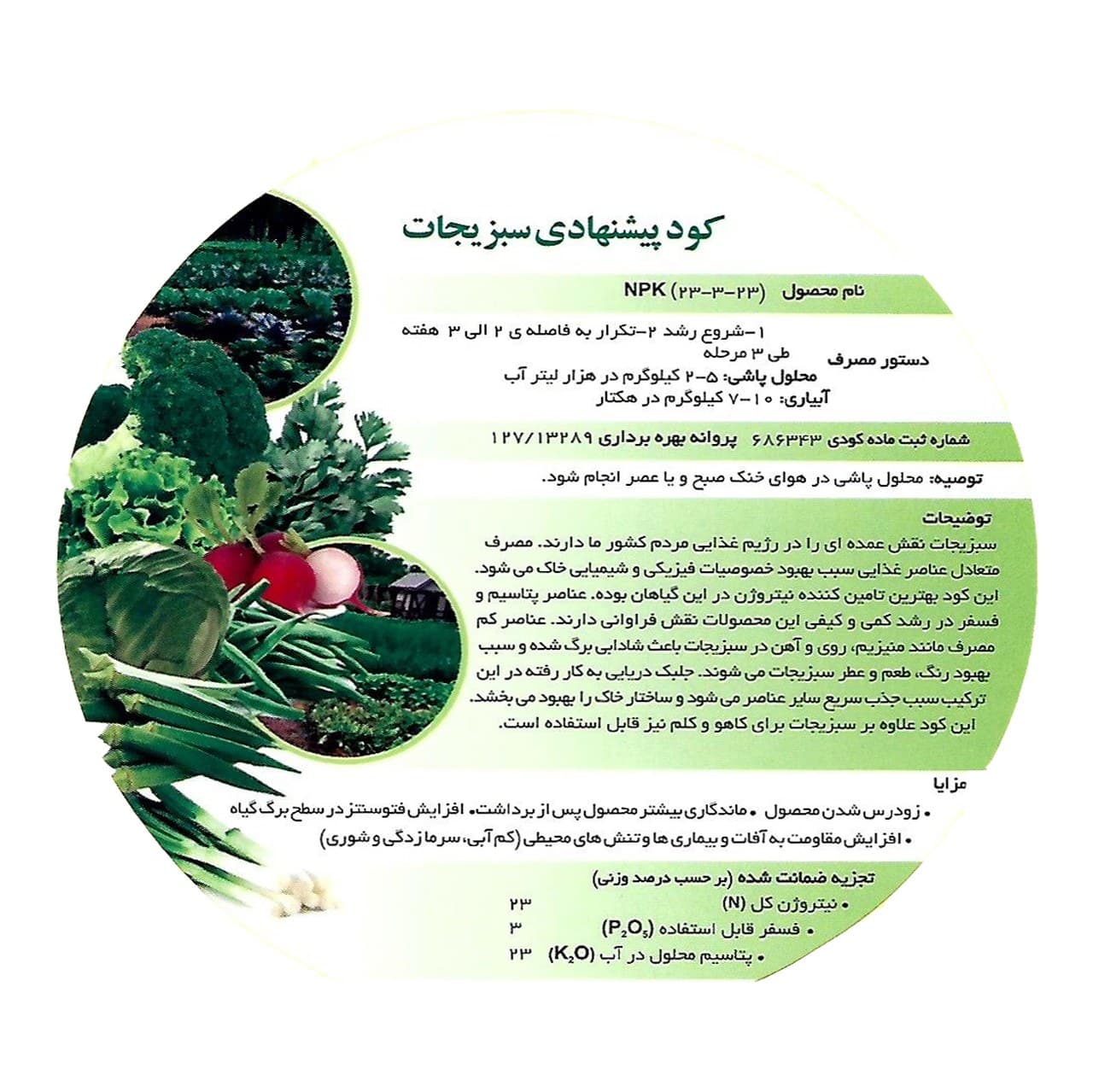


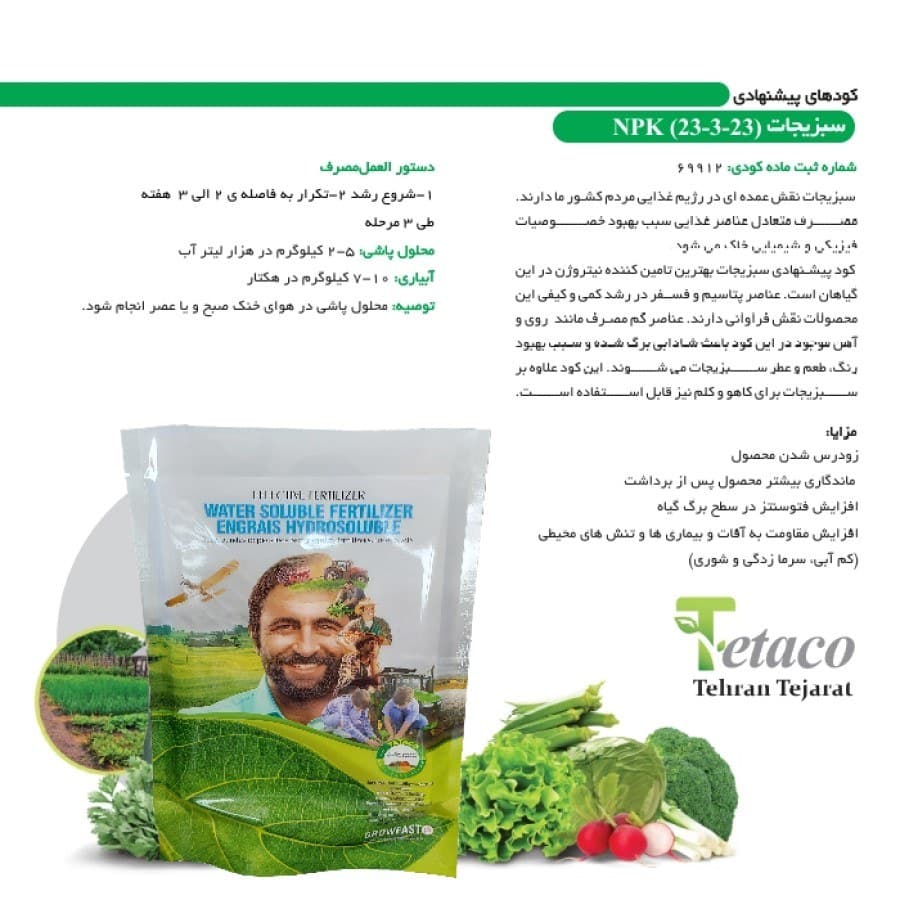
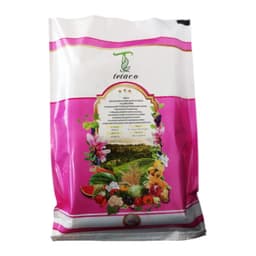
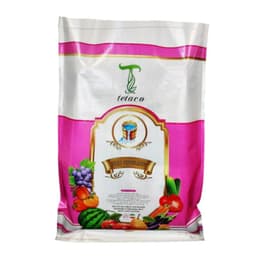
Weight 25 kg TESSENGROW Vegetable Cultivation Fertilizer Model
Warehouse Inventory
100 Piece
Preparation Time
1 day
Payment Method
Special vegetable fertilizer plays a key role in meeting the nutritional needs of vegetables, as one of the main factors in improving the performance and quality of agricultural products. By using the appropriate fertilizer and adhering to fertilization principles, better growth, greater resistance to pests and diseases, and increased quality and quantity of the product can be achieved. The features, benefits, and key points regarding vegetable fertilization are described as follows: Features of special vegetable fertilizer Balanced composition of nutrients: Nitrogen (N): For increasing leaf growth and greening. Phosphorus (P): For improving root growth and increasing plant strength. Potassium (K): For improving plant resistance to stresses and increasing product quality. Calcium (Ca): For strengthening plant tissue and preventing nutritional deficiencies. Magnesium (Mg): For aiding photosynthesis and chlorophyll production. Usability in various conditions: Suitable for leafy vegetables (like lettuce and spinach), fruiting vegetables (like tomatoes and cucumbers), and root vegetables (like carrots and radishes). Capability of quick or gradual absorption: Chemical fertilizers: Quick and effective absorption. Organic fertilizers: Gradual nutrition and soil texture improvement. Advantages of using special vegetable fertilizer Increase in performance and product quality: Production of uniform, healthy vegetables with better taste. Improvement of plant health: Increased resistance to diseases, pests, and environmental stresses like drought or soil salinity. Enhancement of plant growth and development: Assistance in stronger rooting and faster plant growth. Improvement of soil structure: Organic fertilizers improve soil structure and increase water and nutrient retention capacity. Key points in vegetable fertilization Understanding soil and plant needs: Conducting soil tests to determine nutritional deficiencies. Identifying specific needs of each type of vegetable (e.g., leafy vegetables require more nitrogen). Managing fertilizer quantity: Excessive use of fertilizer may cause plant burn or increase soil salinity. Insufficient fertilizer use will lead to reduced plant growth and performance. Proper timing of fertilization: Adjust fertilization according to plant growth stages: Initial growth stage: Use fertilizers with more nitrogen. Fruit production stage: Increase potassium for better product quality. Avoid fertilization in dry conditions or during peak heat. Different fertilization methods: Soil application: Mixing fertilizer with soil before planting. Foliar application: Spraying fertilizer solution on leaves for quick absorption. Irrigation system: Using soluble fertilizers in drip irrigation systems. Attention to fertilizer type: Chemical fertilizers for quick results. Organic fertilizers for long-term nutrition and soil health maintenance. Recommendation for vegetable fertilization To achieve the best results, it is better to use a combination of chemical and organic fertilizers and always consult agricultural experts. Remember that proper fertilization management ensures the quality and sustainability of agricultural products.